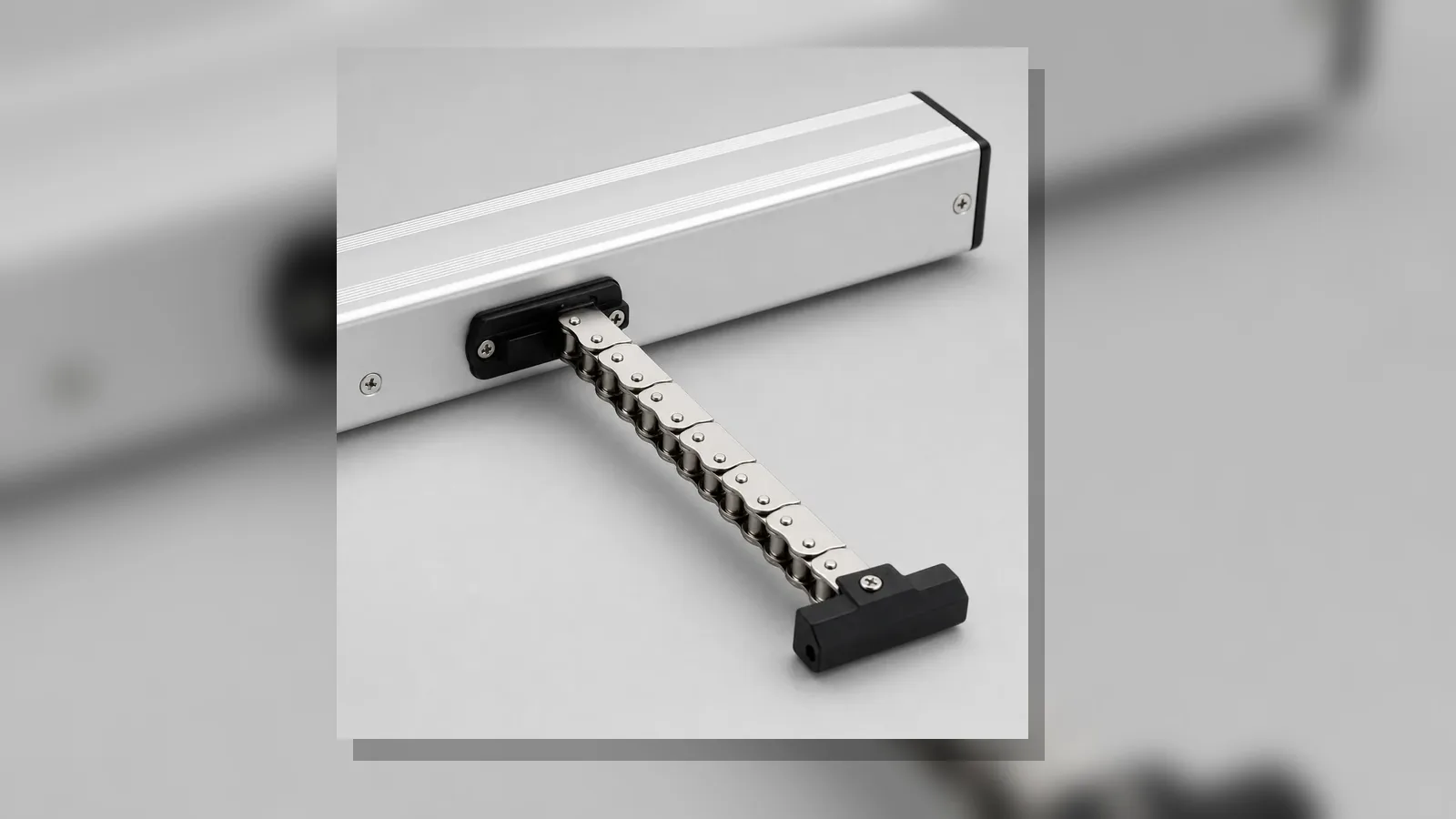
Bottom hung window opener safety restrictors
Direct safety answer
Bottom hung window opener safety restrictors are not optional extras to treat lightly: before fitting any electric chain actuator to a bottom-hung sash, confirm orientation, opening geometry, manufacturer-approved brackets or restrictors, and installer checks for entrapment and safe access. This article is a question list only, not structural advice, and it does not claim suitability for emergency exits, smoke vents, or every bottom-hung window.
Identify orientation
Start by naming how the window opens. Bottom-hung windows hinge at the sill and tip inward or outward at the head; that is different from top-hung, side-hung, or roof lights that pivot on other edges. Ask your supplier or manufacturer to confirm that the chosen actuator model is listed for that orientation, because compatible window types are treated as model-specific and usually need supplier confirmation.
Write down hinge side, sash weight class if known, and whether the unit is already approved for electric operation. Do not assume a generic chain opener fits every frame.
Why geometry changes risk
On a bottom-hung sash, the free edge travels in an arc that can create pinch points at the head and sides as the opening widens. Chain travel, mounting height, and how far the sash can tip all change where fingers, clothing, or furniture can be caught.
Manufacturer installation guidance for chain actuators commonly stresses that the window must be suitable for electric operation, and that bottom-hung applications may need dedicated safety hardware rather than a free, unrestricted opening.
Restrictor and bracket questions
Use these checks with your installer and the window or actuator supplier:
- Does the manufacturer specify a safety bracket for bottom-hung use with this actuator?
- Is an opening restrictor required to limit travel on bottom-hung sashes?
- Are any brackets in the kit confirmed for this frame, or is universal bracket compatibility still unverified?
- Has anyone confirmed that included mounting hardware is not being treated as a safety restrictor if it is not one?
Industry manuals for comparable chain actuators recommend safety brackets for bottom-hung windows and opening restrictors where bottom-hung geometry creates risk. Treat those as prompts for product-specific confirmation, not as a blanket approval for every kit.
Entrapment and access checks
Ask who could be near the sash when it moves—children, pets, cleaners, or furniture close to the reveal. Installation instructions for window actuators warn about entrapment and may recommend opening restrictors on bottom-hung windows for that reason.
- Is there a clear stop or restrictor so the sash cannot open further than planned?
- Can the motor be isolated quickly if something is trapped?
- Does daily use still allow safe cleaning and emergency manual access without relying on unrestricted travel?
Again, confirm against the exact window, actuator, and local safety expectations; do not generalise from one product line to another.
Installer handover
Before the job is signed off, ask the installer to record:
- Window orientation and confirmation that electric operation is appropriate.
- Actuator model, mounting method, and any safety brackets or opening restrictors fitted.
- Maximum opening used after restrictor adjustment.
- Who to contact for manufacturer or supplier confirmation if the frame or hardware changes later.
Keep the paperwork with the property. Manufacturer data often leaves final compatibility to supplier confirmation rather than a single universal rule.
When unsuitable
Pause or redesign if any of the following apply:
- The window is not confirmed as suitable for electric operation.
- Bottom-hung safety brackets or opening restrictors required by the manufacturer cannot be sourced or fitted correctly.
- The opening forms part of an escape route, smoke-control strategy, or another regulated use that this guidance does not cover.
- Bracket fit, chain path, or sash strength remains unverified after supplier review.
In those cases, seek installer and manufacturer confirmation before ordering or energising any opener.
Soft product next step
If you are comparing chain-actuator kits for general domestic use, review the current product details for the automatic skylight opener kit, note that a chain actuator may be included while universal bracket compatibility and window suitability remain unverified, and do not assume any included hardware is a safety restrictor. Confirm orientation, restrictors, and brackets with your installer and the manufacturer before purchase or fitting.
View the automatic skylight opener kit details and take the safety questions above to your supplier.
FAQ
Are safety restrictors always required on bottom-hung electric windows?
Not every project is identical, but manufacturer guidance for comparable actuators often recommends opening restrictors and safety brackets for bottom-hung applications. Confirm the requirement for your exact model and frame.
Can I rely on the brackets in a kit as restrictors?
No. Mounting brackets and safety restrictors are different roles. Do not imply that included hardware is a safety restrictor unless the manufacturer states that clearly for your window type.
Who should confirm compatibility?
Your installer plus the window or actuator manufacturer or supplier. Compatible window types are typically model-specific and need that confirmation.
Does this cover smoke vents or escape windows?
No. This is an informational question list only and makes no claim for emergency exits, smoke vents, or every bottom-hung window.